Swift Justice or Lost Safeguards? Reflecting on the Government’s Court Reforms

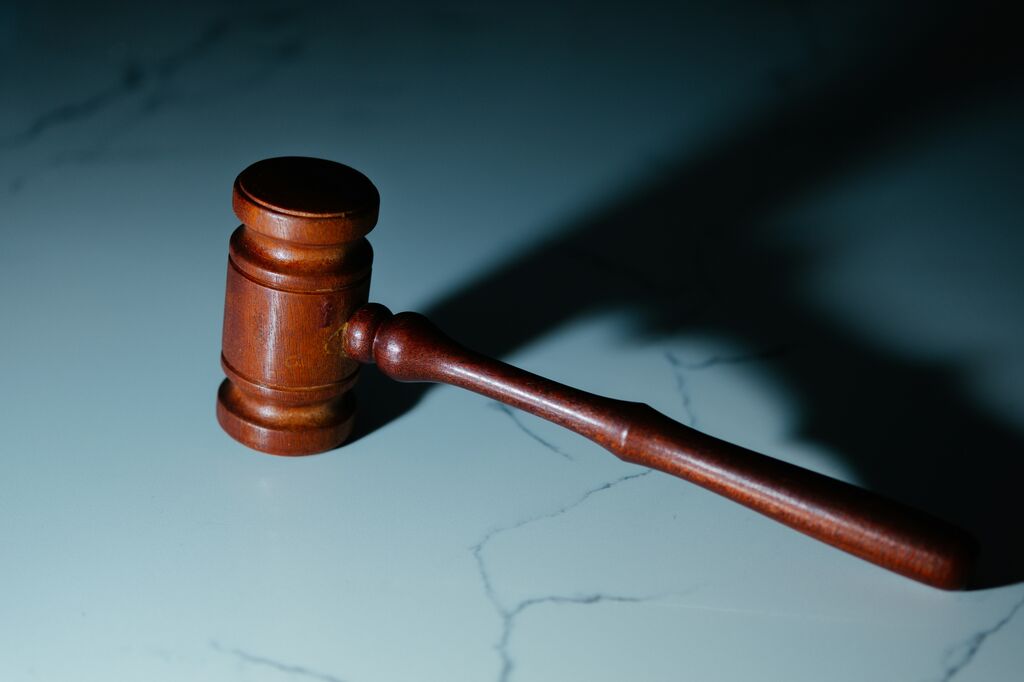
I wanted to write about the Government’s court reforms this week, because they clearly matter, and because the Bible takes the issue of justice very seriously. But as I read the reactions across the media, I noticed how many people quoted the Magna Carta as their foundational document. Now for all its historical importance, and however patriotic an Englishman (or woman) you might be, there is no suggestion that the Magna Carta is an inerrant document of divine revelation!
The problem is that the Bible – which we believe is – is frustratingly silent about the detail of the judicial system in England and Wales. However, we do have clear principles set out that God sees as integral to a good justice system, and many examples and warnings of how justice can be corrupted or manipulated by the authorities or the privileged at the expense of the poor and disadvantaged. As we respond, it is helpful to measure the Justice secretary’s proposals against what we can know from God’s word, rather than against what we can’t.
And respond we should, because the reforms announced by the Government are significant, and the system being changed has its roots in the Middle Ages. Central to the new package is the creation of “swift courts,” where certain mid-level offences - those likely to receive sentences of around three years or less - would be decided by a judge alone rather than a jury.
It is important to note at this point that the word “likely” is the one used by the Government. The judgement over what crimes will go before a jury will not be based on sentencing guidelines set out in the law. “Likely” is doing a lot of heavy lifting in what will be a pretty crucial dividing line.
Nevertheless, the Secretary of State has used this word to suggest that only the most serious crimes, such as murder, rape, and serious violent or sexual offences, would continue to guarantee jury trial. Magistrates’ sentencing powers would also expand from 12 months to 18 or even 24 months, meaning more cases could be kept at the lower level. Defendants would lose their automatic right to elect for a jury in either-way offences, and some appeals from magistrates’ courts would be limited to points of law, rather than full rehearings. These structural proposals come with a significant funding boost for victims, court capacity, legal aid, and the training of new criminal barristers.
The Government argues that these changes are needed to tackle what it calls a “courts emergency”. Crown Court backlogs are at historic highs, and tens of thousands of victims are waiting years for trials. Delays often damage cases, drain the emotional resilience of victims and witnesses, and erode public confidence.
Ministers suggest that judge-only trials for less serious cases will free up scarce jury time, reduce bottlenecks, and speed the delivery of justice. Expanding magistrates’ powers should allow more cases to be dealt with swiftly and locally. And limiting opportunities for defendants to “game the system” by electing for a slower jury trial could reduce unnecessary delays. If these reforms work as intended, they might create a justice system that is both faster and more humane.
But critics raise concerns that should give Christians pause.
The most obvious is the reduction in access to jury trials, a longstanding pillar of British justice. Juries function not simply as fact-finders but as a means of community participation in justice - one of the clearest democratic checks on state power. Restricting appeals from magistrates’ courts intensifies worries about diminishing accountability. Some suggest the reforms misdiagnose the problem: the backlog, they argue, is the result of years of underinvestment, court closures, and staff shortages. Changing court procedures without addressing those causes may simply shift pressure from one part of the system to another.
There is also concern that concentrating more responsibility in the hands of fewer decision-makers, however well-intentioned, risks undermining public trust and increasing the likelihood of miscarriages of justice, particularly for the most vulnerable.
So how do we think about this as Christians? Scripture speaks frequently and fervently about justice. God commands His people not to pervert justice, to defend the vulnerable, and to judge impartially (e.g., Ex. 23:6; Deut. 16:18–20). The prophets condemn those who use legal systems to oppress the weak (Isa. 10:1–2). Justice matters because it reflects the character of God. And the Bible offers principles that are relevant, even if it does not comment on juries or modern courts.
One important biblical theme is the urgency of justice. “Hope deferred makes the heart sick,” Proverbs tells us, and anyone who has waited years for their case to be heard knows the truth of that. Delayed justice harms victims, weakens trust, and allows wrongdoing to fester. The Bible also acknowledges the legitimacy of legal authority. Moses appointed judges to help distribute the work of adjudicating disputes, recognising the need for efficiency and structure (Ex. 18). These principles resonate with the Government’s focus on tackling delay and improving the experience of victims.
However, another biblical theme is equally important: justice as a shared, communal responsibility. The Old Testament’s “cities of refuge” (Num. 35; Deut. 19) provide a striking example. When a person caused another’s death, it was not a solitary judge who decided their fate. Elders, families, and local communities gathered to consider intent, context, and motive. These were not formulaic decisions but moral judgements shaped by the wisdom of the community. This reflects a biblical intuition that justice is healthiest when multiple voices — not just a single authority — discern the truth together. Our modern jury system carries echoes of this principle.
In discussing matters with the eminent Christian barrister David McIlroy this week, he reminded me of how history reinforces why this kind of communal participation matters.
In 1670, William Penn and William Mead were prosecuted simply for holding a Christian worship service. The law of the day made such gatherings illegal. Any judge applying the statute strictly would have been compelled to convict. But the jury refused. They exercised moral discernment, not merely legal compliance, and acquitted Penn despite pressure from the bench. This defiance helped establish the independence of juries - and it showed how juries can protect ordinary citizens from governments using the law to suppress dissent. When justice becomes the exclusive domain of the state, without community involvement, the vulnerable often are the first to suffer.
For Christians, then, the current proposals place two biblical imperatives in tension. On one hand, the call for swift justice, protecting victims from interminable delays. On the other, the call for just safeguards, ensuring that justice is not merely efficient but fair, accountable, and resistant to the misuse of power. We should be wary of assuming that one set of texts or principles settles the issue. Instead, Christians are invited to hold these goods alongside one another: compassion for victims, fairness for defendants, and a commitment to structures that reflect the dignity of all people, made in God’s image.
What should our posture be? Perhaps a combination of humility and vigilance. Humility, because these are complex questions, and no reform will deliver perfect justice in a fallen world. Vigilance, because when reforms touch on accountability, appeals, and the power of the state, Christians - with our long memory of both justice and persecution - should pay attention. We can welcome efforts to serve victims better and reduce harmful delays while still scrutinising how these reforms might reshape the balance of power and the safeguards that protect the vulnerable.
Personally, my initial reaction was to err on the side of the need for victims and the accused to see justice done sooner rather than later.
But discussing with others and reading contrary opinions has challenged my views so that I am now more inclined to ask why the government is not actively pursuing some of the other ways in which the system could be made more efficient before withdrawing jury trials. In the months to come, we will need to be discerning around both the efficacy of the proposals and any unintended consequences that also occur.
As Christians, we should pray for wisdom for those crafting these reforms, for the judges and magistrates who will implement them, and for the victims and defendants who will live with their consequences.
And we should remain engaged, advocating for a justice system that is not only swift but righteous, not only effective but compassionate, and not only orderly but deeply fair.