Freedom of Speech
Finnish MP accused of hate speech barred from entering the UK
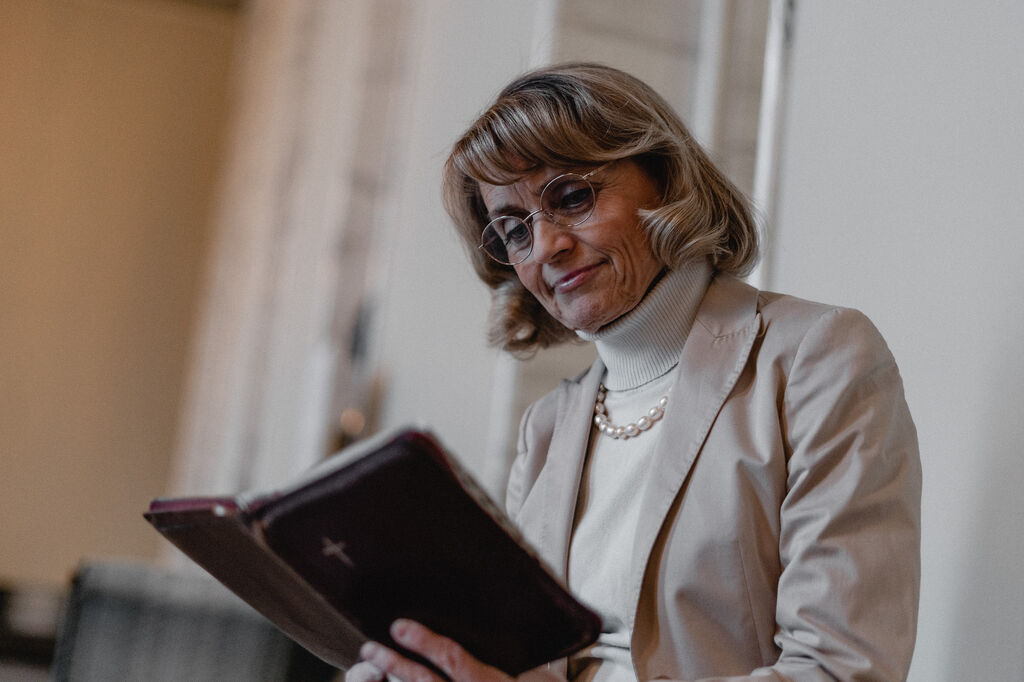
Päivi Räsänen, a Finnish MP, has been barred from entering the UK due to her hate speech conviction over a pamphlet which she wrote in 2004.
The decision
Päivi Räsänen was found guilty of hate speech by a 3-2 decision by the Finnish supreme court on the 26th March 2026. The decision was based on a church pamphlet which she wrote 22 years ago. The pamphlet was called “male and female he created them” and was originally intended for conservative Christian communities. This material was first distributed to congregations and young conservative Lutherans.
Trial and pamphlet
According to Christian Network Europe, the prosecutor, General Raija Toiviainen, argued that the 24-page pamphlet was harmful to homosexuals, and associated their way of life “sin, shame and brokenness”. This was deemed as humiliating by the prosecutor. In the pamphlet, Räsänen also says that “free sexual morality has risks because it encourages experimental behaviour at a young age. This can lead to the abuse of children by adults.” The prosecutor accused the Finnish MP of comparing those who are homosexual to those who are paedophiles, which is an accusation that she denies.
Räsänen’s concerns
Räsänen had plans to travel to Northern Ireland in August for a conference, speaking at the Bangor worldwide ministry convention. According to Premier Christian news, Räsänen said: "The Supreme Court’s closely divided ruling has had unexpected consequences. In addition to restricting freedom of expression, it has also created restrictions and difficulties related to travel and participation in meetings and conferences”.
She was barred from entering the UK despite an originally approved Electronic Travel Authorisation (ETA) application. This ETA application was later cancelled by UK authorities, putting her August Northern Ireland trip at doubt. Räsänen said: "My greatest concern is that this decision has left many people with uncertainty, confusion, and fear about the consequences of exercising their freedom of speech and religion in a peaceful manner, and about where the line lies between lawful and prohibited speech."
Share