Freedom of Speech
Govt publishes draft conversion practices Bill
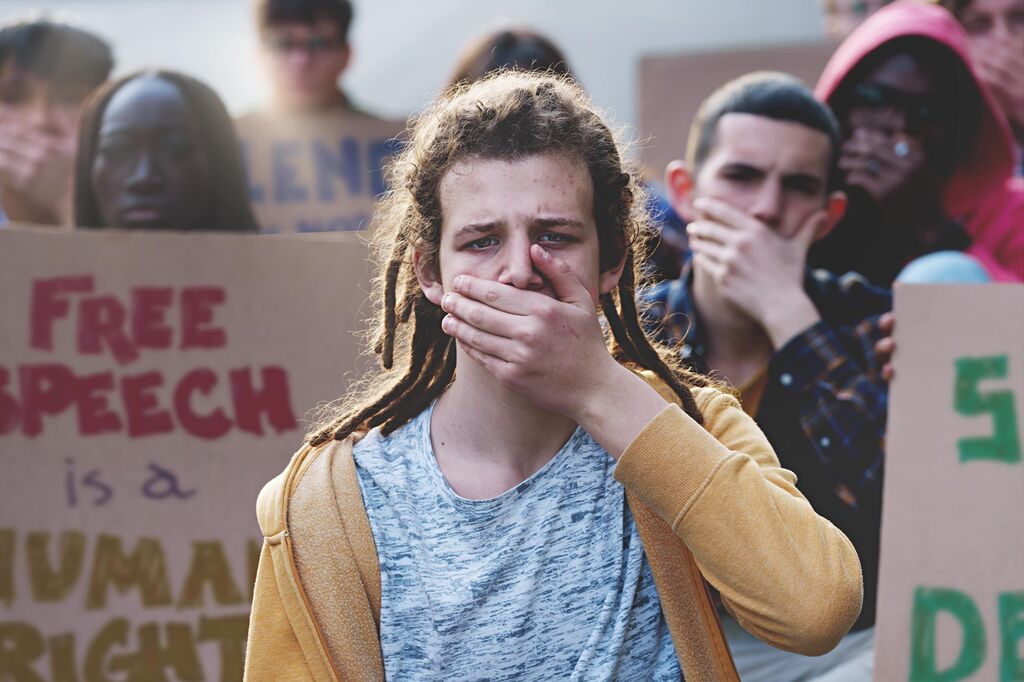
This morning, the Cabinet Office published the Draft Conversion Practices Bill. This legislation was first promised by Theresa May in 2018. But successive governments have grappled with the complexity of legislating over something that is very difficult to define and doing so in a way that does not undermine freedom of expression and speech. The draft Bill covers England and Wales.
What issue is this legislation trying to address?
Whenever new legislation is proposed, you should always ask: what issue is this new law seeking to address? Some campaigners who support conversion practices ban claim that abusive practices are taking place in a variety of settings.
However, there is very little evidence offered to prove this claim. The government’s own explanatory notes also talk about ‘evidence’ but offer no specific examples to prove their case.
Even the BBC’s own LGBT reporter admitted it is difficult to know how widespread conversion practices are. He said this:
“About 5% of the 108,000 people who responded to the government's UK-wide LGBT Survey in 2018 said they had been offered some form of conversion therapy, while 2% had undergone it. But the survey did not define what it meant by conversion therapy, and did not ask when or where it had happened.”
There is a real danger in producing new laws to address problems that may not in reality exist to the degree that some are claiming. Every law impacts individuals and whenever legislation seeks to criminalise words, there is an even greater risk that fundamental freedoms for parents and churches will be undermined. This is exactly what has happened in Victoria, Australia, where the conversion practices ban is praised as 'best practice'. The state recently issued guidance telling parents to ask their children what pronouns they would prefer.
The content of the draft Bill
At this stage, we can only make initial observations as there is a lot of information and details that need to be given further scrutiny.
- What we do know is that the Government have gone for the fullest possible ban.
- As expected, conversion practices’ is defined loosely and the draft Bill tries to make a distinction between ‘conversion practices’ and ‘abusive conversion practices’. Consideration as to whether a conduct is ‘abusive’ includes a range of wide criteria, such as ‘emotional distress’ or ‘controlling and coercive behavior’.
- To be considered ‘abusive’ the conduct must cause distress to the individual and impact their day-to-day life. It is, obviously, very difficult to measure such things!
- The maximum penalty if someone is convicted is five years in prison, with potentially unlimited fines as well.
So, in theory, if someone came into an evangelical church and heard teaching on human sexuality that they disagreed with, if they were distressed, could that mean the sermon and the preacher is found guilty under this draft Bill?
Disturbingly, the Government even quoted Stonewall in the press release announcing the draft Bill. This is the group who have been open about wanting to criminalise churches and parents as part of any conversion practices ban.
The process of a draft Bill
The first thing to note is that it is just a draft Bill. This is important because there are several stages that need to happen before the Bill is formally introduced into the House of Commons. The wording will be carefully examined by a Joint Committee, most likely made up of MPs and Peers. Normally, they will issue a call for evidence and invite those impacted to engage and give their opinions. A report is published and the Government then has time to respond.
What can you do?
At this stage, the most important thing is to pray. Pray for organisations who are working on understanding this legislation and its impact on families and churches. Pray that the joint committee might be fair and give a good hearing to concerns about gospel freedoms. Pray ultimately that our gospel freedoms would be protected.
Share