Politics and elections
A quick guide to Andy Burnham's new cabinet
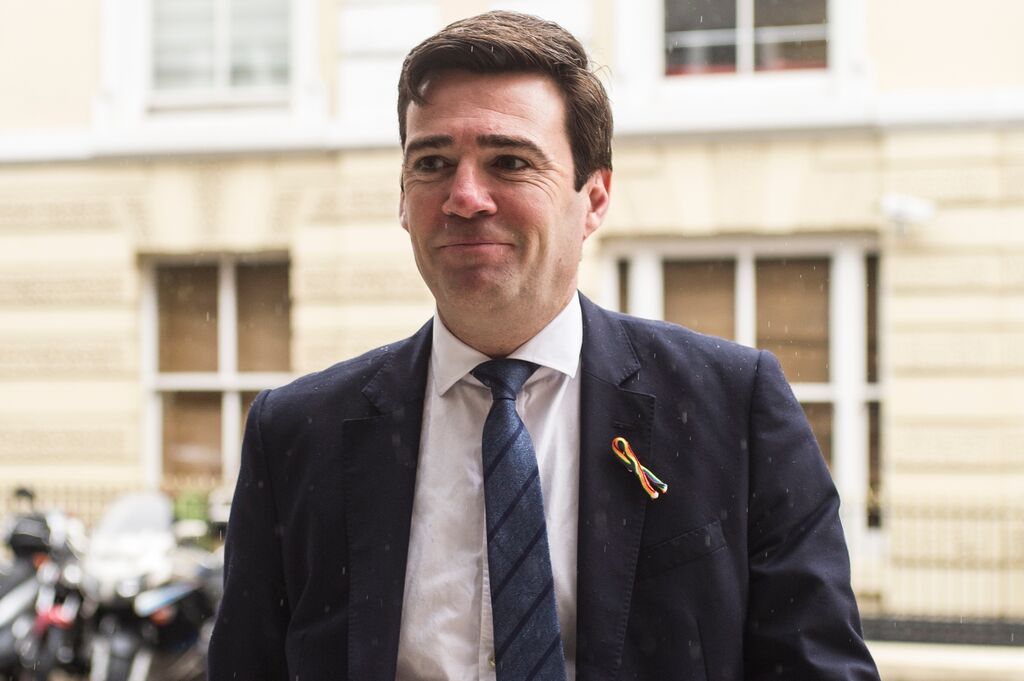
Now that Andy Burnham is officially Prime Minister, he has unveiled his new Cabinet. Here’s your quick guide to who is in Burnham's top team:
Prime Minister: Andy Burnham
The UK’s 59th Prime Minister had only been serving as an MP for a few weeks when he came to power, having been elected as MP for Makerfield in June 2026. He served for nine years as Mayor of Greater Manchester, and was MP for Leigh from 2001 to 2017. He was brought up as a Roman Catholic, but has said: “I’m Catholic by upbringing, but I’m not particularly religious now”. He has previously stated that his influences were, in order: Everton FC, the Labour Party and the Catholic Church, and has said that “Catholic social teaching underpins my politics.” During his previous time as an MP, Burnham voted for LGBT issues, and against lowering the abortion limit. Lauren Edwards, who has brought back the assisted suicide legislation, has had early conversations with Burnham about the Bill. Burnham has said that he supports assisted suicide in principle, but is unlikely to welcome debate on such a divisive issue.
Chancellor of the Exchequer: John Healey
Making headlines two months ago after he resigned as Defence Secretary, Healey steps into the vital role of Chancellor. At his resignation, he said that the Prime Minister was “unable” and the Treasury was “unwilling” to increase defence spending; he now takes charge of the very department he criticised. Healey was a surprise choice, with many tipping Ed Miliband or Shabana Mahmood for this crucial position. John Healey is a veteran of the Blair and Brown governments, and served as economic secretary to the Treasury between 2002 and 2005. He has supported church initiatives to tackle poverty and human trafficking in the past. He voted in favour of the assisted suicide Bill and in favour of abortion decriminalisation in 2025.
Chancellor to the Duchy of Lancaster: Louise Haigh
Haigh will run the Cabinet Office, which is the department that supports the Prime Minister and drives government policies. She is one of Andy Burnham’s closest allies and has been a key player in his leadership bid. She was Transport Secretary under Keir Starmer but resigned after a 2013 conviction for fraud came to light. Haigh has not spoken about any kind of personal faith, and she voted in favour of Kim Leadbeater’s assisted suicide Bill and in favour of abortion decriminalisation.
Foreign Secretary: Ed Miliband
A former leader of the Labour Party, Miliband was previously Energy and Net Zero Secretary under Starmer’s premiership. He has said that he plans to deepen ties with the European Union, but Donald Trump’s team have warned that they will find it difficult to work with him over his green energy support. Miliband’s parents fled to Britain to escape the Nazi persecution of Jews, and has spoken positively about Britain's generosity in welcoming refugees. Although he is not religious, he has said that he does not want Christians to feel marginalised. He voted in favour of assisted suicide and abortion decriminalisation in 2025.
Home Secretary: Shabana Mahmood
One of the few Cabinet members remaining in their post, Mahmood stays on as Home Secretary, a post which she has held since September. She claims to be the first female Muslim MP in the UK (she started at the same time as two others but her election count was completed first), and has said that her faith is central to who she is. She also said the media's treatment of Christian Kate Forbes, who ran to become SNP Leader, was disgraceful. She voted against Kim Leadbeater’s Bill on assisted suicide, and does not support self-ID for transgender people, but did not record a vote on abortion decriminalisation.
Defence Secretary: Wes Streeting
Streeting resigned as Health Secretary in May, saying that he had lost confidence in Starmer as Prime Minister. Burnham has brought him back into the Cabinet as Defence Secretary, replacing Dan Jarvis who was only in the post a few weeks. Streeting has been open about having a Christian faith and attends an Anglican church. He has said he believes in the virgin birth and has defended the Archbishop of Canterbury’s intervention in politics. As a gay man, he has also spoken about struggling to reconcile his faith with his sexuality. He has said he is conflicted about the introduction of Assisted Suicide legislation, but voted against its introduction in 2025. He did not record a vote on abortion decriminalisation.
Health Secretary: Yvette Cooper
Cooper stays in the Cabinet, but moves to the role of Health Secretary, having served as Foreign Secretary and, before that, Home Secretary under Keir Starmer. She has a great deal of experience, having served in the Cabinet as Secretary for Work and Pensions in Gordon Brown’s government. She once said during a radio interview that she didn't really ‘do God’ and was ‘vaguely agnostic’. She was instrumental in 2015 in defeating an amendment to clarify that sex-selective abortion is definitely wrong. She did, however, vote in favour of assisted suicide when it came before the Commons in 2025, and did not record a vote on abortion decriminalisation.
Education Secretary: Lucy Powell
Powell previously served as Leader of the House of Commons, although she was removed from that role by Keir Starmer. She then went on to become Deputy Leader of the Labour Party, replacing Angela Rayner. She doesn’t publicly confess faith, but defended prayers in Parliament in her role as Leader of the Commons, saying that Westminster is “attached to the Church of England, and that’s sort of important”. When Leadbeater’s assisted suicide Bill came before the Commons, she voted in favour, and she voted for abortion decriminalisation.
Work and Pensions Secretary: Pat McFadden
Another of the few remaining Cabinet ministers, McFadden remains in the role he has had since September, having previously served as Chancellor of the Duchy of Lancaster. McFadden is a Roman Catholic, but has voted in favour of assisted suicide and decriminalising abortion in 2025.
Housing Secretary: Angela Rayner
Angela Rayner returns to the role of Housing Secretary a year after resigning from the same position over failing to pay the correct stamp duty for her house purchase. Having grown up in poverty, Angela Rayner became pregnant at 16 and has spoken about the positive difference New Labour's Sure Start centres made to her as a new mum. She entered politics after working for the trade union Unison. She does not have a Christian faith and has been a vocal supporter of policy positions at odds with orthodox Christian faith. Nevertheless, she voted against Kim Leadbeater’s assisted suicide Bill and did not record a vote on abortion decriminalisation.
Business and Trade Secretary: Jonathan Reynolds
Reynolds returns to the role of Business Secretary which he held under Starmer’s leadership. However, Burnham has dissolved the Department for Science, Innovation, and Technology, bringing its remit under an expanded business department. Reynolds now leads this broader team, including responsibilities previously held by Science Secretary Peter Kyle. He is particularly concerned about areas like poverty, homelessness and inequality. He is the chair of Christians on the Left and has an active Christian faith He voted against the introduction of assisted suicide in 2025 and did not record a vote on abortion decriminalisation.
Equalities Secretary: Bridget Phillipson
Phillipson remains in the Cabinet, but no longer as Education Secretary. She retains her role as Women and Equalities Secretary, which includes policies around gender ideology. She is a Roman Catholic who once told the Guardian: “For me, being Catholic has always been about a wider sense of social justice, social action, the value and worth of every individual.” She has also said “I part company [with the Church] on issues around abortion, contraception… all that stuff.” Nevertheless, she did not record a vote on abortion decriminalisation and she voted against the assisted suicide Bill in 2025.
Culture Secretary: Lisa Nandy
Lisa Nandy also remains in the Cabinet in her position as Culture Secretary which she has held since Labour’s victory in 2024. Her department is responsible for the implementation of the Online Safety Act. She has attracted criticism for her position on transgender rights, suggesting that trans-women (biological males) should be allowed to compete within women's sports. She also appointed a Muslim charity head as adviser of her Civil Society Covenant while excluding other faiths. She did not record a vote on either abortion decriminalisation or the assisted suicide Bill in 2025.
Energy Secretary: Miatta Fahnbulleh
Replacing Ed Miliband who has moved to the Foreign Office, Fahnbulleh takes on the role of Energy Secretary. She is a refugee from Liberia who fled to the UK, becoming an MP in 2024. She served as Faith Minister under Keir Starmer, but resigned that role after the heavy local election losses in May 2026. She does not personally profess any faith but has said: “Faith and belief must remain part of our national conversation as we face the challenges ahead.” She voted in favour of Kim Leadbeater’s assisted suicide Bill, and did not record a vote on abortion decriminalisation.
Other cabinet positions:
Transport Secretary: Heidi Alexander
Environment Secretary: Angela Eagle
Northern Ireland Secretary: Chris Bryant
Scotland Secretary: Douglas Alexander
Wales Secretary: Stephen Kinnock
Chief Whip: Annaliese Midgley
Leader of the Commons: Alan Campbell
Leader of the Lords: Baroness Smith
Chief Secretary to the Treasury: Emma Reynolds
Attorney General: Ellie Reeves
Share