Modern Slavery
Reform of modern slavery provision moves to House of Lords
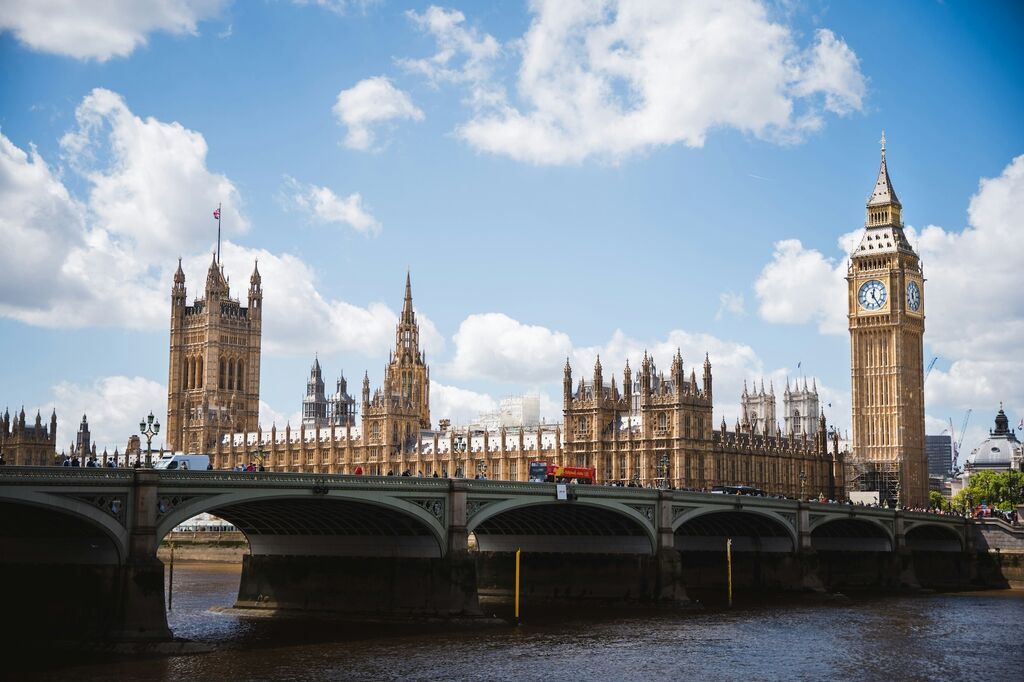
The government’s reform of the immigration and asylum system, which includes changes to modern slavery provisions, has been passed by the House of Commons.
Immigration and Asylum Bill
The Immigration and Asylum Bill will now move to the House of Lords after being passed by the House of Commons by 290 to 94 at the Bill’s Third Reading. Along with significant changes to the immigration and asylum system, the Bill introduces changes to the National Referral Mechanism(NRM) for potential victims of modern slavery.
The changes are intended to reduce the misuse of the system while strengthening protections of victims. It gives a legal definition for a ‘bad faith’ modern slavery claim. Those who make improper claims about modern slavery, or those who disclose modern slavery information after they have received notice of their removal from the country, could be disqualified from receiving protections under the revised system.
The Home Office’s data shows a significant overlap between the immigration system and the NRM. According to the government, nearly 80% of referrals to the NRM in the past year involved people subject to immigration controls, and a quarter of those were made by people in detention. Almost four out of five of those referred to the modern slavery system while in detention were not ultimately identified as victims.
Criticism over comments
The Home Secretary, Shabana Mahmood, came under criticism last year for describing those who make modern slavery claims shortly before deportation as “last-minute vexatious claims.” Legal experts and anti-slavery organisations say that such claims often arise only after accessing legal advice, which can be delayed by the immigration system.
“Many victims are fearful of their traffickers and speaking about their experiences,” said Eleanor Lyons, the UK’s Independent Anti-Slavery Commissioner at the time. “Often they do not recognise themselves as ‘victims’ and have been told by their exploiters that the authorities cannot be trusted or they fear violence or reprisals against their families… It often takes time for victims to disclose their exploitation because trauma, fear and control by traffickers run deep,” she explained.
Robust decisions
The Home Secretary said about the Bill’s passing in the Commons: “Last year I set out the most significant migration reforms of modern times… But we must go further. This bill is a crucial next step, enabling us to speed up asylum decisions, close loopholes that have been exploited and remove people with no right to be here.”
The government say that they are committed to ensuring decisions made under the NRM are “robust and that the system effectively identifies and supports those it is intended to protect.”
Share