Freedom of Speech
John Cleese referred to Prevent over anti-Muslim rhetoric
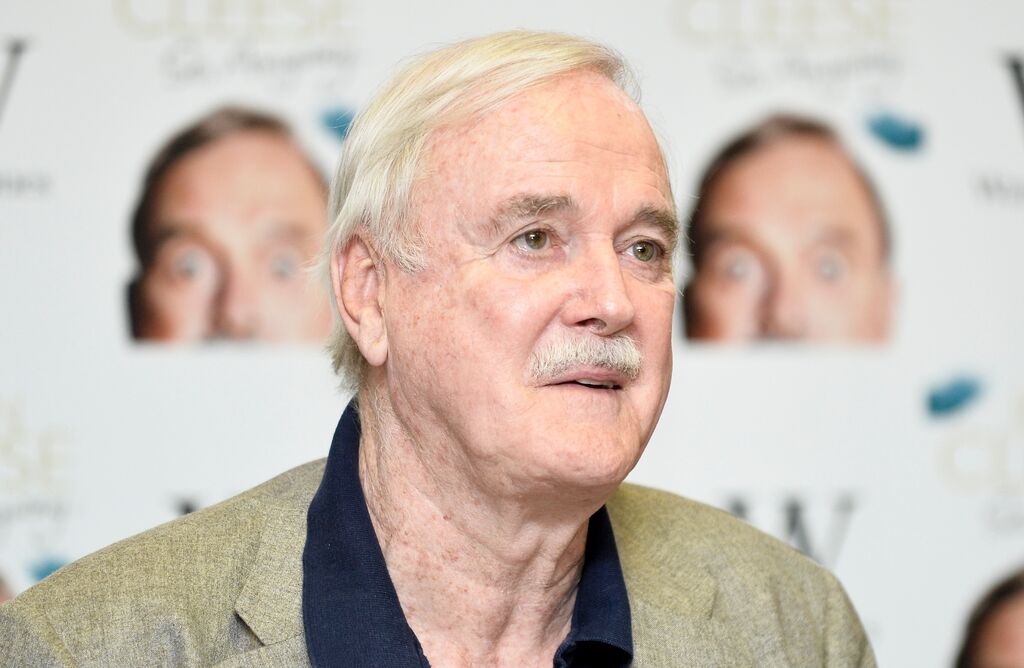
A member of the public has referred the comedian John Cleese to the counter-extremism scheme Prevent over online posts about Islam.
Prevent referral
The Prevent referral, which was made on 22nd September, claims that Cleese has engaged in online activity that “demonises, dehumanises, and collectively attributes violence and criminality to Muslims and Islam.” It cites a number of posts and reposts on social media, which it argues goes beyond legitimate criticism of Islam and meets “several indicators used in PREVENT risk assessments for anti-Muslim hate and counter-extremism concerns” and risks adding to “radicalisation, communal tension, and hate incidents.”
One of the posts in question reads “I personally prefer a culture that does not approve of FGM, child marriage and killing infidels.” Other similar posts from Cleese include opinions such as “To criticise a culture whose holy book advocates the killing of all the people they disagree with… is not racist. It’s culturalist” and “traditional British values are under attack from Muslim belief systems, especially the Koranic demands to kill ‘infidels’”. The referral claims Cleese’s comments are not just comedy or criticism: “These statements go beyond criticism of ideas and attach intrinsic criminality, violence, and moral depravity to a religious group.”
Calls for cancellation
This comes after Muslim activists tried to have a show of Cleese’s in Birmingham – part of a national tour – cancelled over his views on Islam. The activist group released a video on social media claiming that Cleese was “spreading dangerous misinformation and creating hostility towards Muslims”. They said that his comments were not comedy but “hate speech and you’re just a hate preacher” adding that “free speech has become a convenient shield for anti-Muslim hostility and vilification with no consequences”.
The government introduced a non-statutory definition of Islamophobia, now called “anti-Muslim hostility”, in March this year. Campaigners have argued that this effectively introduces a blasphemy law by stealth, 18 years after Parliament voted to abolish blasphemy laws, and may prevent people from speaking out about issues such as grooming gangs and extremism.
Share