Artificial Intelligence
OpenAI launches ChatGPT for Teens in response to safety concerns
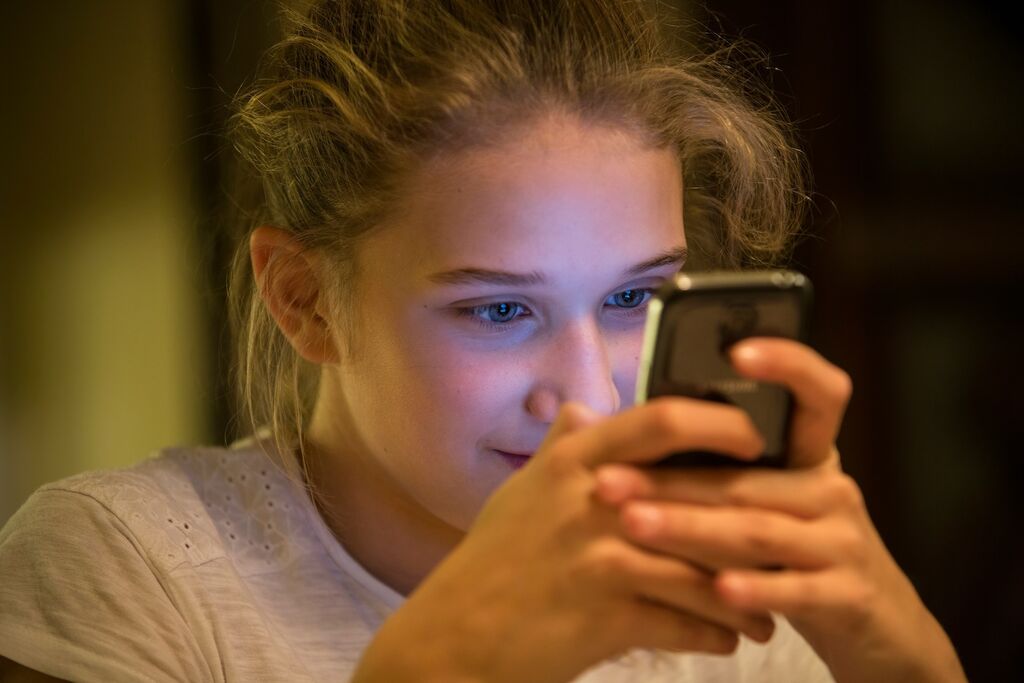
OpenAi, the company behind popular AI chatbot ChatGPT, has announced ChatGPT for Teens. The new platform introduces a range of protections in response to recent concerns about online safety for teenagers.
New safeguards
OpenAI say that their goal in launching this new service is to “help teens learn, think critically, deepen understanding, and use AI with confidence.” It introduces new safeguards designed to reduce exposure to harmful material, including self-harm, eating disorders, and sexual content. Parents are also able to set ‘Quiet Hours’ where the system will be switched off for teens, and receive safety notifications in high-risk situations.
The new system also includes regular reminders to take breaks, displaying messages such as “it can wait”. It will also give frequent reminders that ChatGPT is an AI and not human. OpenAI have said that the platform will not use romantic language, encourage emotional dependence, or imply that it is conscious. Teens can also switch off the chatbot’s human voice to minimise its appearance of being human.
Use of AI for study
OpenAI’s move comes as teenagers and young adults are increasing using artificial intelligence for their learning. Last year OpenAI introduced ‘Study Mode’ for users, which would guide students through a topic without giving away the answers. OpenAI say that nine out of ten young people using ChatGPT use it to help with learning. The use of artificial intelligence for study is not all positive however. A recent report found that 94% of university students admitted to using AI for their assessments.
Age limits
ChatGPT will automatically send people to ChatGPT for Teens if they state that their age is between 13 and 17, or if the system determines that the user is under 18. However, it did not specify how their system would identify someone as under-age. OpenAI already has an age limit of 13 for its platform.
OpenAI said that teenagers “should be able to use AI to learn, create, and explore. But that access should come with protections that reflect their developmental stage, reinforce real-world relationships, and support healthy use over time.”
Share