Abortion
Two pro-life Private Members' Bills selected for debate in the House of Lords
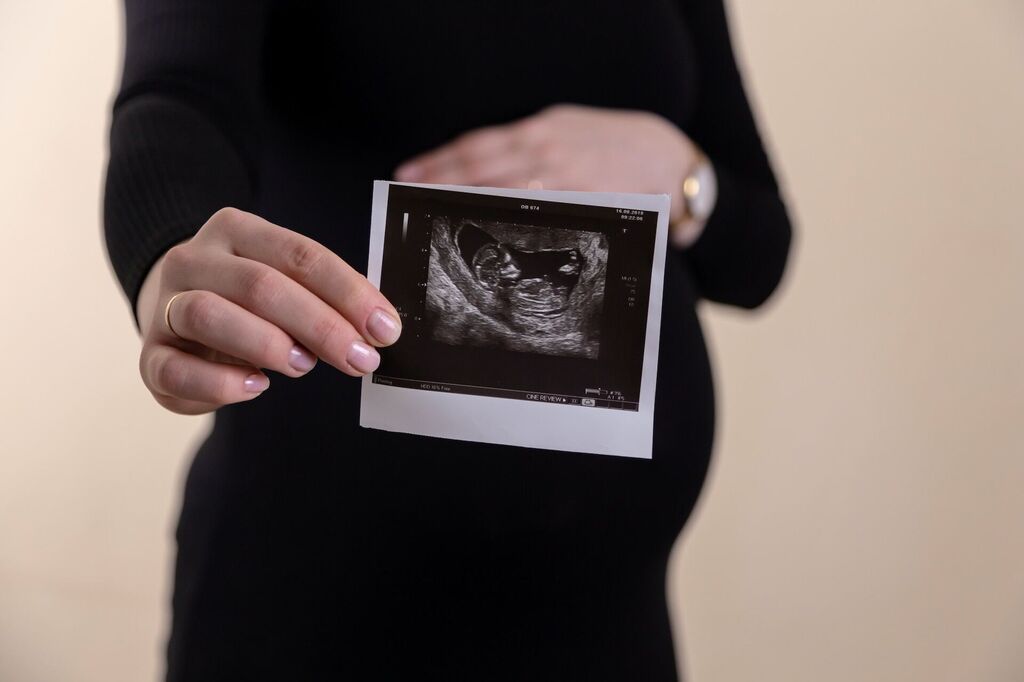
Two pro-life Bills – one on complications from abortions, and another on infants born alive – have been selected for debate in the House of Lords in the new Parliamentary session.
Private Members’ Bills
At the start of a new session of Parliament, Private Member’s Bills are put forward by Peers and MPs in the Commons and the Lords. The Bills that will be debated are chosen by ballot, and then given time for debate with the hope that they progress to become law.
On Monday the House of Lords selected 25 Private Members’ Bills for debate. 14th on the list was Lord Moylan’s Complications from Abortions (Annual Report) Bill, which is scheduled for its First Reading on Tuesday 9th June. 17th on the list is Baroness O’Loan’s Infant (Born Alive) Protection Bill which will be introduced on Thursday 11 June.
No Bills to introduce assisted suicide, and no pro-abortion Bills were drawn in the ballot. The House of Commons will hold their Private Members’ Bill ballot on Thursday.
Important issues
The details of the Bills have yet to be released. However, both tackle issues surrounding abortion that need to be addressed.
A review by the Office for Health Improvement and Disparities highlighted discrepancies between annual data from Hospital Episode Statistics (HES) and the Abortion Notification System (ANS) which is based on data from abortion providers. The HES data reported a complication rate over 2.6 times higher than the data from the ANS, which rose to nearly 12 times higher when including incomplete abortions in the HES data. The review also found that abortion providers were not recording complications that occurred after discharge, or after forms had been submitted.
The Infant (Born Alive) Protection Bill aims to ensure that the law is clear about protections for babies who are born alive following an abortion. The recent change introduced in the Crime and Policing Bill which decriminalised abortion up to birth could lead to more women performing dangerous late-term abortions at home. A study in 2008 found that 66 babies were born alive after NHS terminations in one year.
Raising the profile
Private Members’ Bills introduced in the Lords may not progress through all stages to move to the House of Commons due to time constraints, but Peers often use them as a way to raise the profile of a particular issue.
Catherine Robinson, spokesperson for Right to Life UK, said: “In this new parliamentary session, the Government needs to urgently introduce measures to ensure that abortion complications data is accurately collected and reliably reported moving forward … this Bill will ensure that the issue of complication rate underreporting is put on the radar and debated extensively in Parliament, the media and wider society.”
She added: “Babies born alive following an abortion should receive the same standard of care as any other baby born at the same gestation. Sadly, the fact that it is no longer illegal for women to perform their own abortions for any reason, including sex-selective purposes, and at any point up to and during birth, means that late-term abortions outside a clinical setting are far more likely. Such babies need the full protection of the law.”
Share