Pornography
Social media platforms found liable over addiction and endangering children
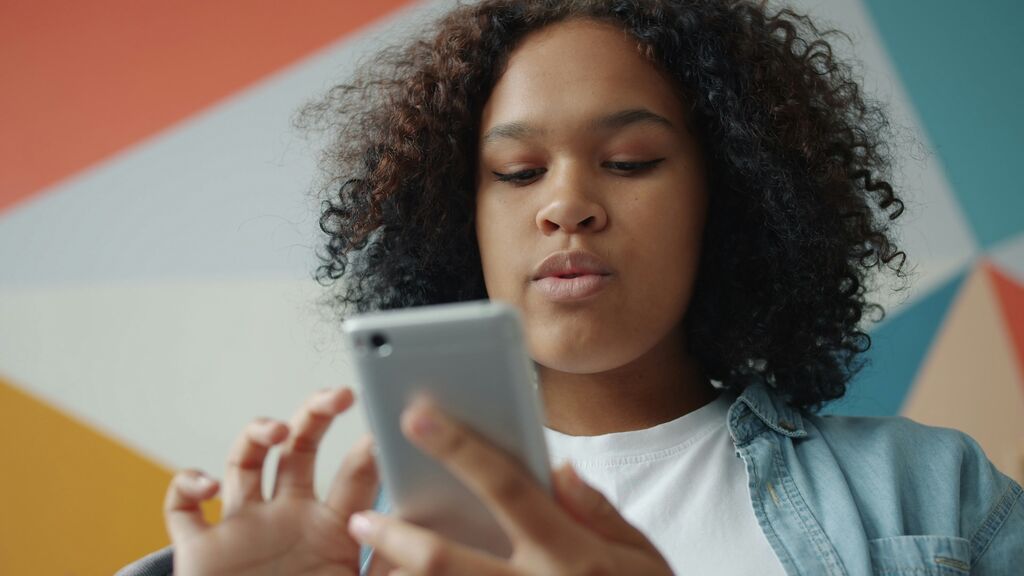
In two landmark trials in the United States, social media platforms have been found liable of causing harm to children. On Tuesday a court in New Mexico found Facebook’s parent company, Meta, liable for misleading users over child safety. On Wednesday a trial in Los Angeles found both Meta and Google’s YouTube guilty of causing childhood social media addiction.
New Mexico verdict
In Tuesday’s verdict the New Mexico court has ordered Meta to pay $375 million for violating the state’s Unfair Practices Act by misleading users about the safety of children on their platform. A jury found the owner of Facebook, Instagram, and WhatsApp liable for exposing children to sexually explicit material and putting them in contact with sexual predators.
A former engineering lead at Meta, who became a whistleblower, told of experiments he ran on Instagram which demonstrated that children were shown sexual content. He also testified that his own daughter was propositioned for sex by a stranger on the platform.
A spokesperson for Meta said that they intend to appeal the verdict, saying: “We work hard to keep people safe on our platforms and are clear about the challenges of identifying and removing bad actors and harmful content. We remain confident in our record of protecting teens online.”
New Mexico Attorney General, Raul Torrez, commented on the trial saying that “Meta executives knew their products harmed children, disregarded warnings from their own employees, and lied to the public about what they knew”.
Los Angeles trial
On Wednesday, a separate trial in Los Angeles awarded a woman $6 million in damages after they ruled that Meta and YouTube intentionally built social media platforms that are addictive.
The jury found that Meta and Google, who owns YouTube, “acted with malice, oppression, or fraud” in the way they operated their platforms. Lawyers argued that the companies had built “addiction machines” and failed to protect children from accessing their platforms.
Kaley, who brought the lawsuit, said that she started using YouTube when she was six years old, and Instagram when she was nine. She developed anxiety and depression when she was 10 and said in her testimony: “I stopped engaging with family because I was spending all my time on social media”. Lawyers pointed out that her longest single day of use on Instagram was 16 hours, which the head of the platform denied was addiction, instead calling it “problematic”.
Social media consultation
These verdicts come as the UK government has begun a consultation about social media among children and teenagers. Following a ban on social media in Australia at the end of last year, a possible ban in the UK is one option being discussed. The House of Lords has backed such a ban, and the government are testing the idea, along with digital curfews, with 300 teenagers over the coming months.
The Prime Minister, Keir Starmer, has expressed broad support for restrictions on social media. He wrote that social media “has become something that is quietly harming our children” and voiced a desire to “crack down on the addictive elements… the never ending scrolling, that keeps are children hooked on their screens for hours, and stop kids getting around age limits.”
Share