Freedom of Speech
Police Still Haven’t Decided if Pro-Life Campaigner Will Be Charged for Silent Prayer
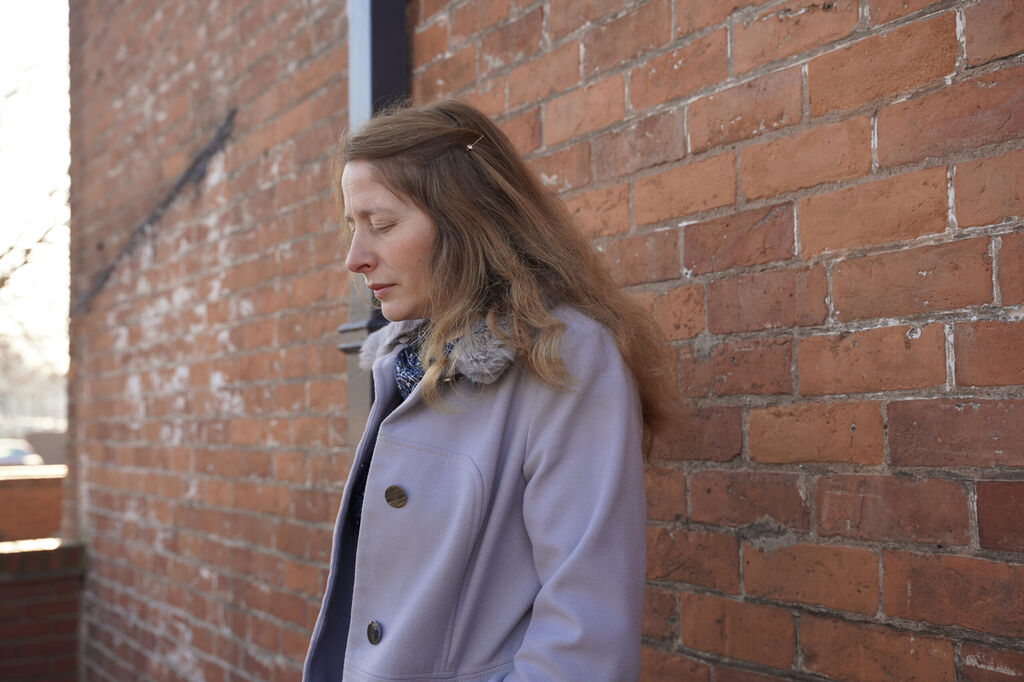
Pro-life campaigner Isabel Vaughan-Spruce remains under investigation 10 months after West Midlands Police arrested her for praying in an abortion clinic buffer zone.
The Co-CEO of March for Life UK was informed in March 2024 that she was again being investigated for silently praying in the area.
According to legal representatives, charging decisions in similar cases are normally made within two days, making the current delay highly unusual.
No explanation or timeline has been provided by police or prosecutors.
Previous arrests
Vaughan-Spruce first became the subject of national attention in December 2022 when she was arrested for silently praying within a designated buffer zone.
The case proceeded to court, where she was acquitted of all charges in February 2023.
Only weeks later, she was arrested a second time under similar circumstances. That investigation lasted six months, concluding with all charges being dropped.
West Midlands Police issued her a formal apology and awarded £13,000 in compensation.
Despite these outcomes, Vaughan-Spruce now faces a third investigation.
Speaking to The Telegraph, she stated that she has been interviewed “multiple times” for nothing more than silent prayer.
She emphasised that she was neither carrying signs nor engaging in verbal protest during any of the incidents.
“Silent prayer cannot possibly be a crime – everyone has the right to freedom of thought,” she said.
Wider implications for buffer zones
The ongoing delay comes amid wider public debate over the enforcement of abortion buffer zones, which restrict certain forms of expression within set perimeters of clinics.
Christian and pro-life groups have raised concerns that the laws may be interpreted in ways that affect private acts such as silent prayer, even when no outward protest is taking place.
Jeremiah Igunnubole, legal counsel for ADF International, which is supporting Vaughan-Spruce, told The Telegraph that authorities appear uncertain about how to proceed in a case involving unspoken thoughts.
He said the laws pose “serious constitutional difficulties,” particularly relating to long-standing protections for freedom of religion and freedom of thought under UK law.
The case continues to be monitored closely by Christian organisations and pro-life advocates, who see its outcome as potentially precedent-setting for how religious expression is treated in public spaces.
No decision has yet been announced by the Crown Prosecution Service.
Share