Freedom of Speech
Christian woman now criminally charged for silent prayer near abortion clinic
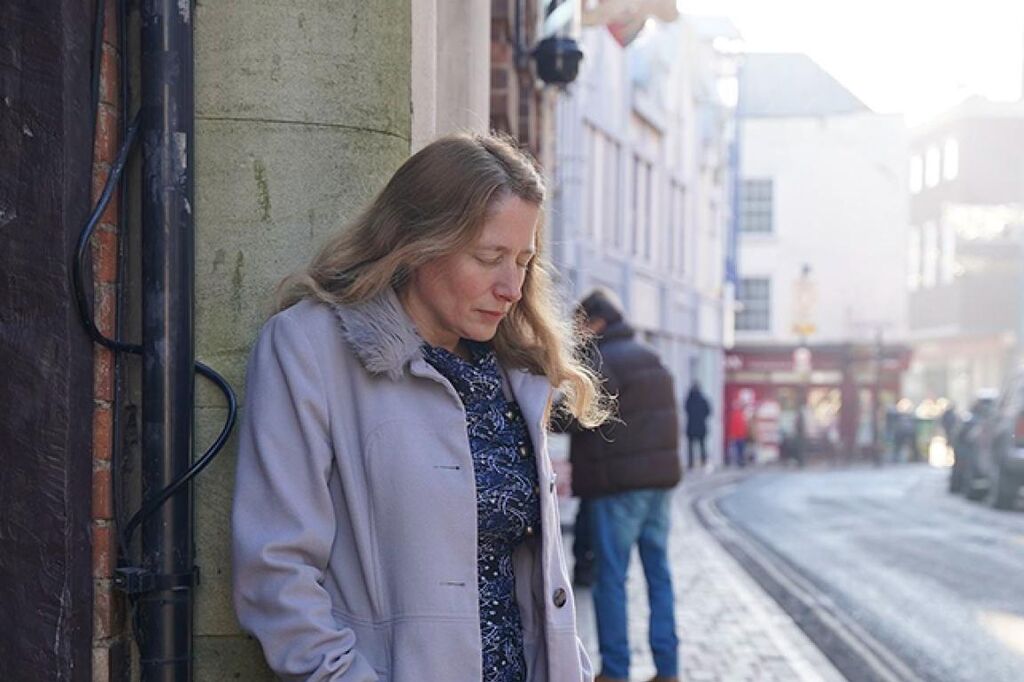
A Christian woman has now been criminally charged after praying silently near an abortion facility in Birmingham, following several previous arrests which did not result in conviction.
Isabel Vaughan-Spruce will appear in court on January 29, 2026, after being charged under controversial buffer zone legislation that restricts certain activities near abortion clinics.
First charge under new legislation
The case is the first confirmed charge under Section 9 of the Public Order Act 2023, which came into force nationally in October 2024.
The legislation prohibits influencing a person’s decision to access, provide, or facilitate abortion services within 150 meters of abortion facilities. The law does not explicitly reference silent prayer.
Speaking to GB News about her most recent arrest, Vaughan-Spruce said officers indicated that her arrest was based not on her prayers, but on claims that her mere presence amounted to harassment.
First prosecution under national buffer zone law
In a parliamentary response dated December 16, 2025, the Attorney General confirmed that one case had been brought under Section 9 since the law took effect.
This was the first time Vaughan-Spruce learned of her charge, and was only formally notified several hours after the response was published.
Crown Prosecution Service guidance states that silent prayer alone is not generally sufficient to meet the threshold for criminality unless accompanied by overt behavior.
Previous legal cases concerning silent prayer occurred under local Public Spaces Protection Orders, rather than under this national legislation.
Previous arrests and ongoing legal dispute
Vaughan-Spruce has prayed regularly in the same public area for approximately 20 years.
In 2022, Vaughan-Spruce was arrested twice under a local buffer zone order but was later acquitted after prosecutors offered no evidence in court.
In 2024, she reached a settlement of £13,000 with West Midlands Police after successfully challenging the lawfulness of those arrests.
ADF International, which is supporting her defence, argues that the buffer zone law is being interpreted too broadly.
Legal counsel Jeremiah Igunnubole stated that while harassment and abuse should be prevented, the concept of “influence” is being applied in a way that risks criminalising passive behaviour.
The case is expected to be closely watched as courts consider how the new buffer zone law applies in practice.
Share