Assisted Suicide
Gaps in palliative care driving rise in emergency hospital visits
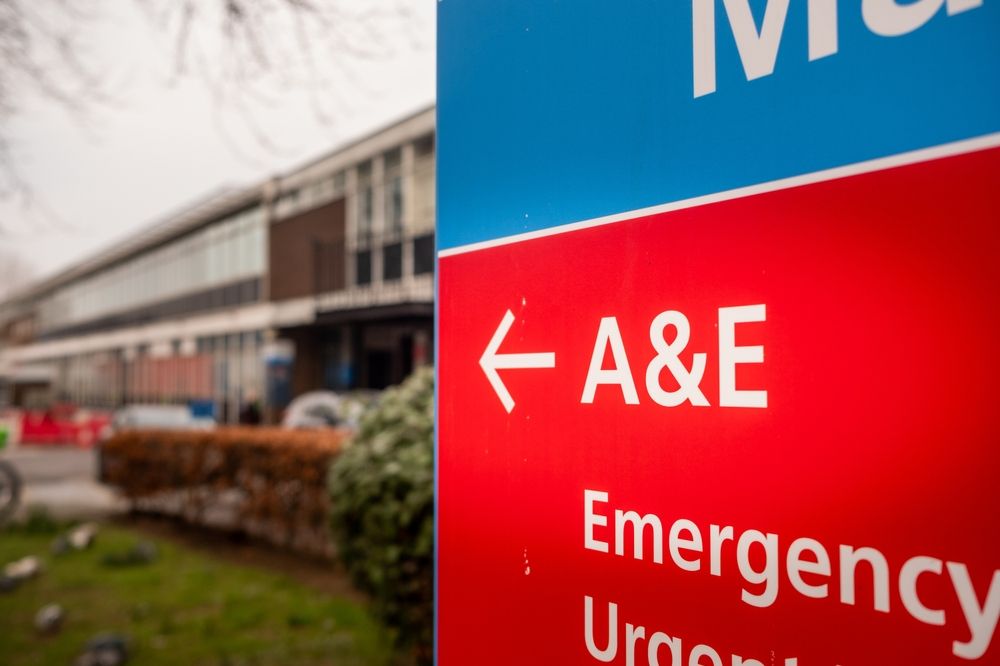
Patients approaching the end of their lives are increasingly turning to emergency services because of gaps in community-based palliative care, according to a new report from Marie Curie and King’s College London.
The research found that in 2023, people in their last year of life accounted for more than one million A&E visits, almost 890,000 emergency hospital admissions and 11.5 million unplanned hospital bed days in England.
A&E attendances among this group increased by 21% between 2014 and 2023.
The report highlighted significant regional differences in access to end-of-life care, particularly outside normal working hours, leaving some patients and families with little alternative but to seek emergency treatment.
Dr Sam Royston, executive director of research and policy at Marie Curie, said:
“Behind some of these statistics will be patients and families who have called an ambulance or gone to hospital because, in their time of need, there was nowhere else for them to turn.”
He added that unequal access to care at the end of life was “not fair” and “not right”.
Marie Curie is calling on the Government to establish a dedicated fund to improve palliative and end-of-life services, arguing that better community care could reduce unnecessary hospital admissions and pressure on the NHS.
The report suggests that reducing emergency admissions among people approaching the end of life by 10% could prevent around 89,000 hospital admissions annually.
Responding to the findings, the Department of Health and Social Care said it was working towards a more sustainable funding approach for hospices, alongside plans to address regional inequalities and workforce shortages.
Share