Transgender
Stormont votes for introducing conversion practice ban
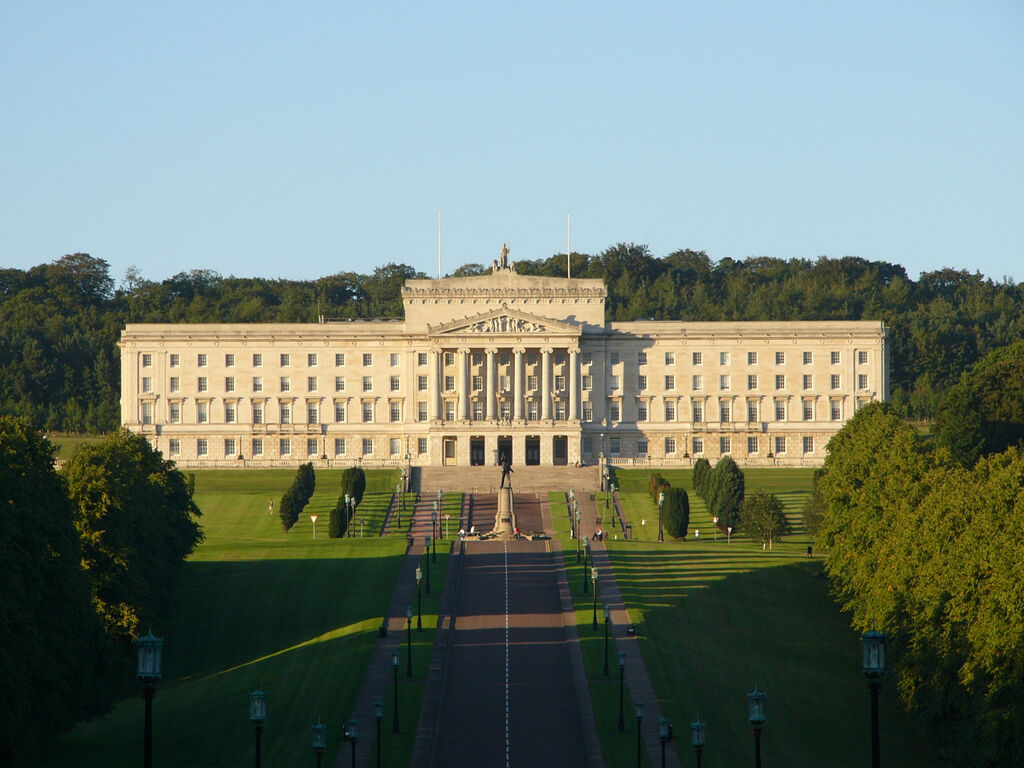
MLAs in Stormont today have voted in favour of introducing a conversion practices ban. The Conversion Practices (Criminalisation) Bill was brought before the Northern Ireland Assembly via a Private Member’s Bill by Éoin Tennyson and it is the first of its kind in the UK and Ireland.
Conversion Practices Bill
The debate, which spanned several days over a few weeks, was emotional and, at times, heated and often centred around the definitions of key terms such as ‘gender identity’. At one point Tennyson was unable (or perhaps unwilling) to answer about how many genders there are. The discussion also highlighted the Bill’s potential for criminalising parents who want to check if their child is making an informed decision before changing gender. There was also acknowledgement of the impact on church ministers, youth leaders, and teachers, who want to teach a faithful Christian position on sex, marriage, and gender. Despite these concerns, and the vague wording of the Bill, MLAs voted in favour of the law by 46 votes to 29.
It is right to opposed coercive control, and sadly there have been examples of poor practice by Christians and churches over the years. However, CARE has warned that this Bill is so vague that it could lead to parents and pastors ending up in court to prove they were not intending to provide therapeutic advice. In Australia, where similar laws have been passed, prayers which mention the need to repent are seen as inappropriate according to government guidance. This has created fear in Christian communities and homes, and today’s debate has raised similar concerns in Northern Ireland.
What happens next?
Despite today’s vote, this is just the first step toward the Conversion Practices Bill becoming law and focuses on agreeing the principles of the proposed Bill. The legislative process in the NI Assembly differs a little from Westminster and the Bill now passes on to the Committee Stage for a detailed, clause-by-clause scrutiny by a small committee of MLAs. Following this, it will go to the Consideration Stage where MLAs debate the committee's report and proposed amendments. At this stage, individual MLAs can suggest changes, and members vote on the clauses, schedules, and amendments. It will then pass on to the Further Consideration Stage, which is a final opportunity for the Assembly to review the Bill, and then the Final Stage where a final debate and vote take place.
A call to pray and act
There is a long way to go before this Bill becomes law, so we are calling CARE supporters on both sides of the Irish Sea to pray that this bill will fail to pass through any more of the stages. Pray that at committee stage, MLAs will give the bill a fair and comprehensive scrutiny, hearing evidence from a broad range of groups, and taking into account the points raised by MLAs in today’s debate and the public consultation.
The committee has issued a public call for evidence which remains open until 1st October. CARE is currently working on our submission and will be outlining our concerns about this bill. We encourage you to do the same. If you work for a faith organisation, a church, or para-church group or charity, or if you are a legal, education or healthcare professional, and have concerns about how this legislation could impact your work, then we would urge you to take time to share your views with the committee as they scrutinise the wider impact of this Bill.
Share