Pornography
MPs reject social media ban for under-16s
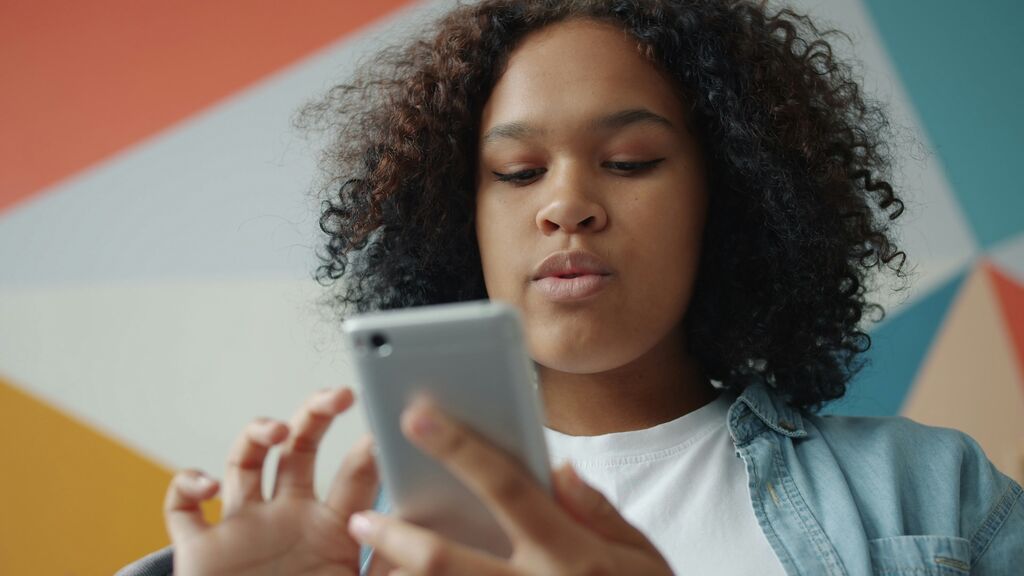
The House of Commons has voted against an Australia-like ban on social media for under-16s. The proposals, backed by the House of Lords, were rejected in favour of flexible powers to restrict certain services.
Blanket ban proposal
The proposal for a blanket ban on social media was added as an amendment to the Children’s Wellbeing and Schools Bill. In January the House of Lords voted in favour of the amendment, but MPs rejected the idea by 307 to 173.
In December, Australia became the first country to implement a ban on social media for young people under the age of 16. Since then other countries have considered implementing a similar ban, and the Labour Government have announced a consultation on the idea. A ban on social media would block certain platforms such as TikTok, Instagram and Snapchat unless a user could prove that they were 16-years-old or over.
Over 100 Labour MPs abstained on the vote over the social media ban amendment. MP Sadik Al-Hassan spoke in the Commons saying that parents were “locked in a daily battle that they simply cannot win alone, fighting platforms that have been specifically designed to keep children hooked”. He went on to say: “As a pharmacist, I know if a drug were causing such measurable harm for 78%, it would be withdrawn, reformulated or placed behind a counter with strict controls on who could access it.”
Opposition from charities
While some celebrities, such as Hugh Grant, have come out in favour of a ban on social media, other organisations have been critical of the proposals. The National Society for the Prevention of Cruelty to Children (NSPCC) have warned that young people could be driven to less regulated corners of the internet as a result of such a ban. The father of Molly Russell, who took her own life after viewing harmful content on social media, has rejected the idea of a blanket ban, favouring enforcement of existing laws instead.
Education Minister, Olivia Bailey, told the House of Commons: “Many parents and campaign groups have called for an outright ban on social media for under-16s. Others, including children's charities, have warned that a blanket ban could drive children towards less regulated corners of the internet or leave teenagers unprepared when they do come online. That is why last week, the government launched a consultation to seek views to help shape our next steps and ensure children can grow up with a safer, healthier and more enriching relationship with the online world.”
Flexible powers
MPs voted in favour of an alternative plan which would give Science Secretary, Liz Kendall, flexible powers to “restrict or ban children of certain ages from accessing social media services and chat bots” as well as options to limit access to “specific features that are harmful or addictive” and “restrict or limit children's Virtual Private Network (VPN) use and change the age of digital consent in the UK”.
Conservative Shadow Education Secretary, Laura Trott, argued for an age limit on social media, saying that “40% of children are shown explicit content during the school day”. She went on: “That's happening right now. This is an emergency. No more guidance, no more consultations. Legislate, do something about it.”
The Conservative peer who introduced the social media ban amendment, Lord Nash, said there was “huge demand across the country to raise the age limit and protect children” and vowed to try to pass the proposal again.
The Children’s Wellbeing and Schools Bill will now return to the House of Lords for further scrutiny. It will only become law once both houses agree on the legislation.
Share