Assisted Suicide
World’s first face transplant using assisted suicide donor performed in Spain
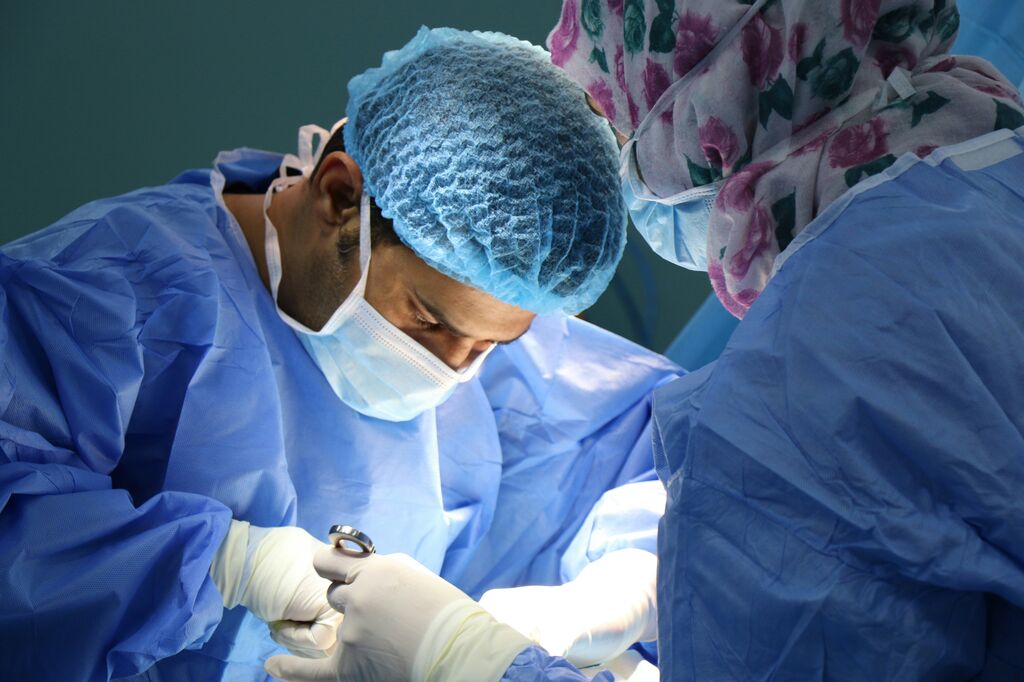
Surgeons in Spain have carried out what is believed to be the world’s first facial transplant using tissue from a donor who chose assisted suicide.
The procedure took place at a hospital in Barcelona and involved restoring the central part of the face of a woman identified only as Carme.
The donor, who had a life-limiting medical condition, had given explicit consent for her organs and tissues, including her face, to be donated following her death under Spain’s assisted suicide laws.
Patient recovering after life-threatening infection
Carme required the transplant after developing a severe bacterial infection following an insect bite while on holiday in the Canary Islands.
Speaking at a press conference, Carme said her recovery had progressed sufficiently for her to resume many daily activities. She reported being able to speak, eat and drink, and said she felt more comfortable going out in public.
Hospital officials said the donor had specifically asked whether facial donation was possible before her death.
Because her death was planned under legal assisted suicide regulations, doctors were able to conduct detailed compatibility testing and create a three-dimensional surgical plan in advance.
Medical staff said this preparation helped optimise the reconstruction process.
Ethical questions surrounding assisted suicide donations
The use of organs and tissues from individuals who undergo assisted suicide raises several ethical considerations.
These include questions about ensuring that consent to organ donation is fully voluntary and separate from the decision to pursue assisted suicide.
Medical ethics frameworks typically emphasise the importance of safeguarding patients from real or perceived pressure to donate organs.
Maintaining clear separation between healthcare professionals involved in end-of-life care and those involved in transplantation is widely regarded as an important safeguard.
There are also broader debates about how transplant programmes operate alongside assisted suicide legislation, including how eligibility criteria are applied and how patient vulnerability is assessed.
Supporters of donation in such circumstances often highlight the potential to improve or save lives, while critics focus on the need for robust oversight and transparency.
The development raises further scrutiny of assisted suicide laws and the ethical safeguards needed when end-of-life decisions become linked with medical procedures such as organ transplantation.
Share