
What is an MP?
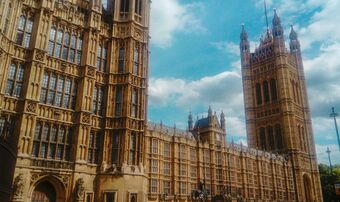
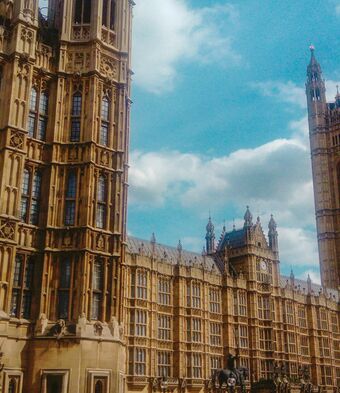
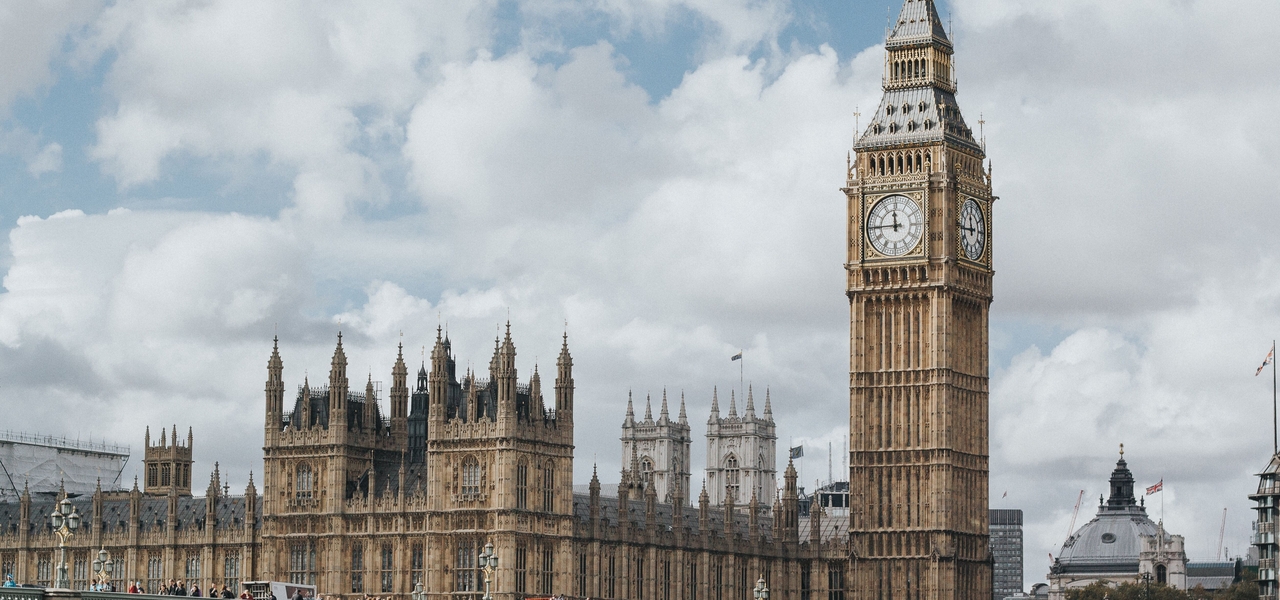
An MP (Member of Parliament) is an elected representative for a local area known as a constituency. MPs sit in the House of Commons, one of two chambers (the other being the House of Lords) that make up the Houses of Parliament.
How do MPs get chosen?
MPs get chosen in two stages. First, they normally seek to be nominated as the representative of their political party for a local constituency through an internal party process (or they run as an Independent). Second, they then seek election from the constituency as a whole by standing in a General (or By) Election. The candidate with the largest number of votes becomes the local MP.
Who does an MP represent?
An MP represents their local constituency and everyone that lives there. Their job is to champion their constituency, address local challenges and problems, and to scrutinise legislation for the good of their constituency and the country as a whole. MPs cannot possibly mirror every belief of every person in their constituency and so they have to use their own judgement and political principles to decide how to best represent their constituents’ interests.
What do MPs do in Parliament?
MPs are primarily legislators. That means their role is to debate, scrutinise, and pass laws in the House of Commons. MPs can do this through speaking in debates, serving on Select Committees, voting, and through many back-room conversations that few people ever see. MPs also carry out ‘casework’ in which they raise issues and seek help on behalf of those in their constituency facing difficulties and hardship. MPs may also get involved in All-Party Parliamentary Groups (APPGs) which are informal cross-party groups which take a special interest in a specific subject.
Do MPs always vote?
MPs don’t always vote. MPs can choose to abstain if they don’t wish to vote either for or against a Bill or an amendment. MPs might not vote for good reasons such as constituency commitments which call them away from Parliament, illness or family hardship, or travelling abroad on Parliamentary or Government business. That being said, there is no obligation to vote even if parties run a ‘whipping’ operation where they seek to mobilise their MPs to vote for their preferred outcome.
Do MPs always just support their party?
MPs typically support the party line on votes. After all, they were elected as a member of that party and so their constituents expect them to broadly follow the policies and principles of the party they stood to represent. However, MPs are able to rebel and vote against their party. This has happened fairly regularly in recent years, especially on controversial topics like Brexit and welfare reform.
From time-to-time MPs may also be asked to vote on matters of conscience such as Assisted Suicide or Abortion. On these votes, MPs are given a free choice and are expected to follow their conscience rather than any party line.
Can MPs introduce legislation?
Legislation is usually introduced by the Government (the party in power), but MPs do have the opportunity to introduce legislation through Private Members Bills (PMBs). Most commonly, MPs apply through a ballot for the chance to introduce a PMB: if their name comes out high in the ballot, they will likely have the necessary Parliamentary time to introduce their desired Bill.
What do MPs do in their constituency?
MPs split their weeks between the Houses of Parliament and the constituency. When they are in the constituency, MPs will take time to meet with constituents, hear their concerns, engage with local projects and campaigns, and generally be involved in local community life. MPs devote a lot of time to supporting constituents and constituency projects and will continue this work even when they are based in Westminster.
But aren’t they all in it for themselves?
This might be the popular perception but generally most MPs enter politics because they want to make a difference and improve people’s lives. Many often have a particular cause or background that motivated them to get into politics in the first place, and will be passionate advocates for it throughout their time in office.
What about devolution?
The Houses of Parliament is the highest political authority in the United Kingdom. However, Parliament has delegated some of its powers and responsibilities to the Scottish (Holyrood), Welsh (Senedd), and Northern Irish (Stormont) Parliaments. Therefore, some laws pertaining to Scotland, Wales, and Northern Ireland are determined in these regional Parliaments.
What does the House of Lords do?
The House of Lords is the other chamber in the Houses of Parliament, and is another legislative body. There are around 800 working members of the House of Lords, of whom the majority are life peers (nominated by a Prime Minister), although there are still some Hereditary Peers and the Lords Spiritual (who are Bishops of the Church of England). Every Bill either begins in the Commons or the Lords, and once it has passed through First Reading, Second Reading, Committee Stage, Report Stage, and Third Reading, it progresses to the other chamber, which runs through the same stages. Both chambers have the opportunity to amend the other’s work, and changes have to be approved by both chambers (in a process known as ping-pong) before any legislation is passed to the King to sign into law.